
Myopia (Nearsightedness): What It Is, Why It Progresses, and How It Should Be Managed
Author & Credentials
Amar Sayani, OD, MS, FAAO
Licensed Optometrist (FL OP 6611 | TN 3030 | NY 007600 TUV)
Assistant Professor of Optometry, Nova Southeastern University
Director, Sports Vision & Concussion Clinic
Fellow, American Academy of Optometry
Posted: December 23, 2025 3:23 PM ET
Dr. Sayani has over a decade of clinical, academic, and research experience in pediatric optometry, binocular vision, vision rehabilitation, and performance vision, including extensive work in myopia management and pediatric ocular development.
Clinical Scope & Disclaimer
The information provided in this article is for educational purposes only and does not replace a comprehensive eye examination or individualized medical care. Diagnosis and management decisions should be made in consultation with a licensed eye-care professional.
Overview: What Is Myopia?
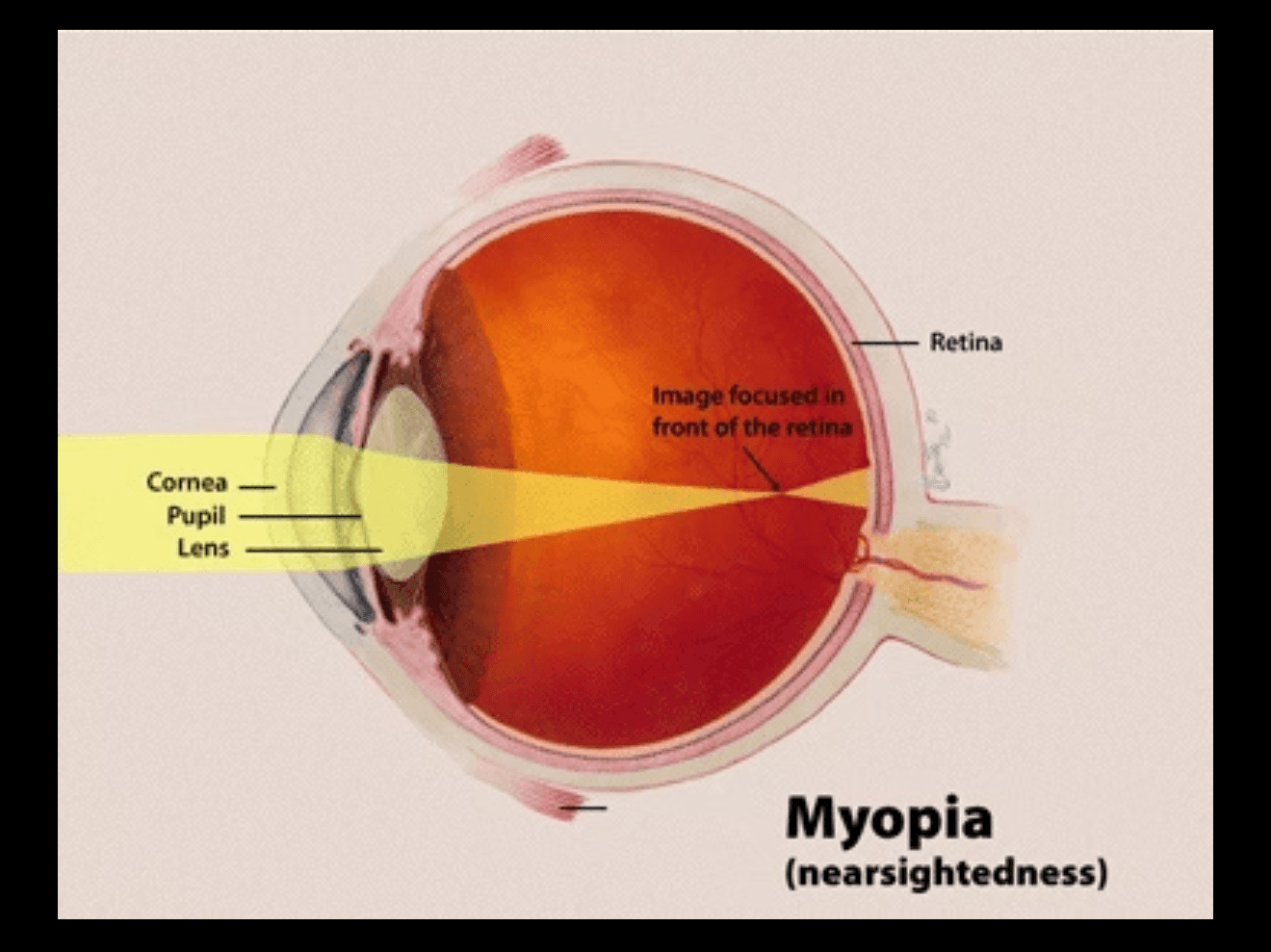
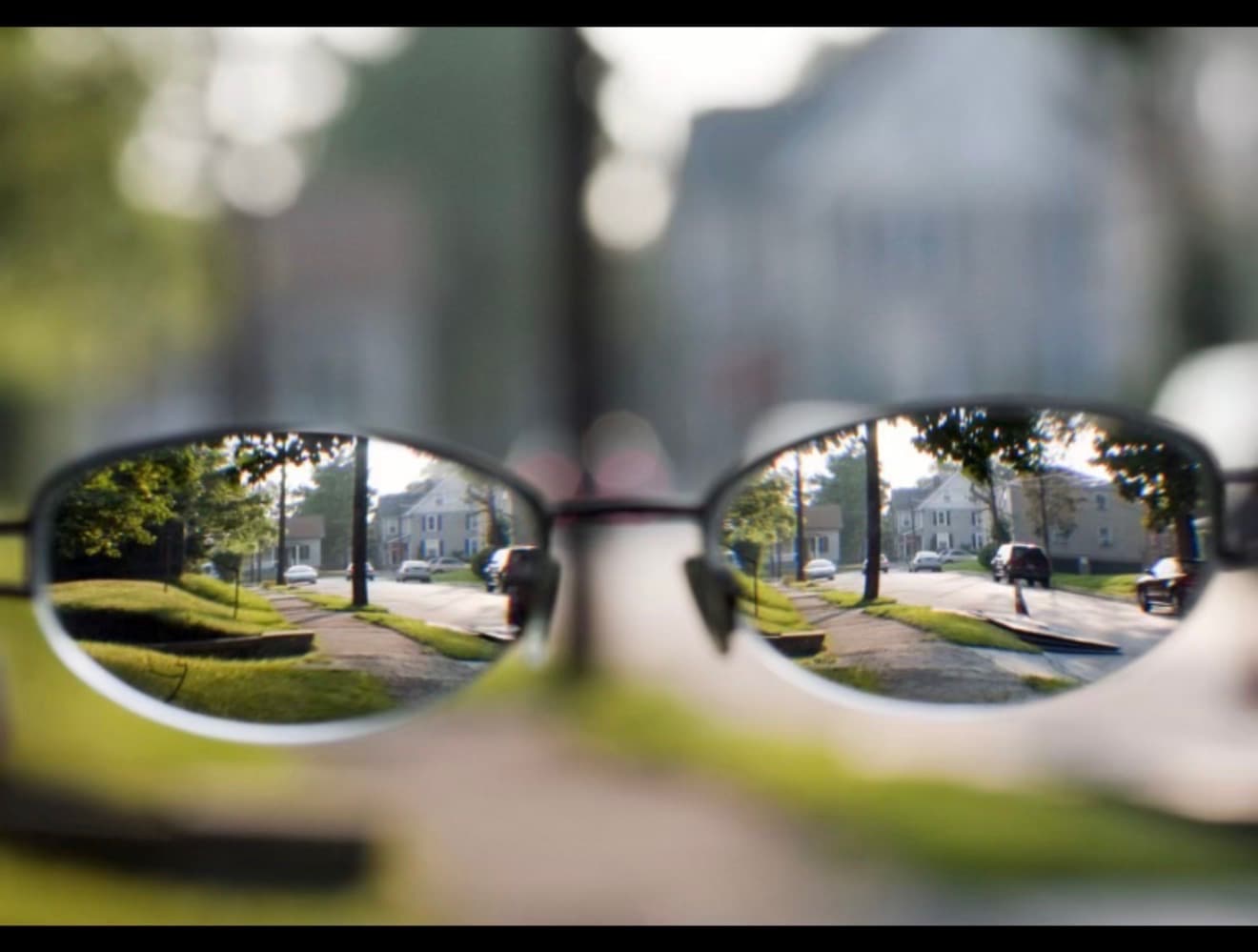
Myopia, commonly called nearsightedness, is a condition where distance vision is blurry while near vision remains relatively clear. It occurs when the eye grows longer than normal or when the eye’s focusing system causes light to focus in front of the retina rather than directly on it.
Myopia often begins in childhood and can worsen as a child grows. While glasses and contact lenses can correct blurry vision, they do not address the underlying progression of the condition. In some individuals, myopia can increase the lifetime risk of serious eye disease.
Professional Definition & Diagnostic Criteria
Myopia is a refractive error characterized by negative spherical equivalent refraction, typically diagnosed via cycloplegic refraction. Clinically, myopia is often defined as a refractive error of −0.50 diopters or greater.
High myopia is generally defined as −6.00 diopters or more and is frequently associated with increased axial length. Pathologic myopia refers to myopia associated with degenerative retinal or choroidal changes.
Epidemiology & Progression Risk
The global prevalence of myopia has increased significantly over the past several decades, particularly in pediatric populations. Onset commonly occurs during early school years, with progression accelerating during periods of rapid growth.
Children with earlier onset, higher baseline myopia, or strong family history are at increased risk for progression to high myopia. Environmental factors, including prolonged near work and reduced outdoor exposure, have been shown to influence progression rates.
Pathophysiology of Myopia
Myopia is primarily associated with excessive axial elongation of the eye. Structural elongation leads to biomechanical stress on the retina, choroid, and sclera. Current evidence supports a multifactorial model involving genetic predisposition, retinal defocus signaling, environmental exposure, and visual behavior.
Peripheral hyperopic defocus has been implicated as a stimulus for axial growth, providing the basis for several modern myopia management strategies.
What This Means in Real Life
In simple terms, myopia progresses because the eye keeps growing longer than it should. As the eye stretches, images fall out of focus, and vision worsens over time. This stretching can also place stress on delicate structures in the back of the eye, which is why higher levels of myopia carry greater long-term risks.
The goal of modern myopia care is not just to “see clearly,” but to slow this excessive eye growth.
Common Causes & Risk Factors
Family history of myopia
Early onset of nearsightedness
High amounts of near work (reading, screens)
Limited time spent outdoors
Rapid childhood growth
No single factor causes myopia; it is typically the result of multiple interacting influences.
When Myopia Becomes High-Risk or Pathologic
Myopia warrants closer monitoring when associated with:
Rapid annual progression
High refractive error
Retinal changes
Symptoms such as flashes, floaters, or visual distortion
High and pathologic myopia increase the risk of retinal detachment, myopic maculopathy, and glaucoma, making early identification and management critical.
Evidence-Based Management Options
Management strategies may include:
Spectacle lens designs intended to reduce peripheral defocus
Multifocal or specialty contact lenses
Orthokeratology
Low-dose atropine therapy
Behavioral and environmental modifications
No single approach is appropriate for every patient. Management plans should be individualized based on age, progression rate, risk profile, and lifestyle considerations.
What Type of Eye-Care Professional Should Manage Myopia?
Routine myopia: Comprehensive optometrist
Progressive childhood myopia: Optometrist experienced in myopia management
High or pathologic myopia: Co-management with ophthalmology, particularly retina specialists
Parents and patients should seek providers who routinely manage myopia progression, not simply refractive correction.
Questions Patients and Parents Should Ask
Is myopia likely to progress in my case or my child’s case?
What options are available to slow progression?
How often should follow-up exams occur?
What signs should prompt urgent evaluation?
What Current Research Still Debates
Ongoing research continues to evaluate:
Optimal atropine dosing strategies
Long-term outcomes of early intervention
Population-specific responses to treatment
Interactions between visual behavior and ocular growth
Clinical recommendations continue to evolve as evidence grows.
Peer-Reviewed Sources & Guidelines
American Academy of Optometry
Pediatric Eye Disease Investigator Group (PEDIG)
JAMA Ophthalmology
International Myopia Institute (IMI) reports
About the Author
Dr. Amar Sayani is a licensed optometrist, assistant professor, and clinician with extensive experience in pediatric vision care, binocular vision, sports vision, and vision rehabilitation. He serves as Director of the Sports Vision and Concussion Clinic at Nova Southeastern University and has contributed to peer-reviewed research and international education on myopia, pediatric ocular disease, and visual performance